What Are Behavior Charts for Kids?
If you’ve ever felt stuck repeating the same instructions to your child—“brush your teeth,” “tidy up,” “use kind words”—you’re not alone. Many parents and teachers struggle with reminders and power struggles that never seem to end. This is where the behavior charts overview can make a real difference.
A behavior chart is a simple, visual tool that helps children understand expectations and track their own progress. Instead of endless nagging, kids get to see their actions in front of them—whether through stickers, stars, or tokens. This clear feedback loop turns good behavior into something tangible and rewarding.
In this behavior charts overview, we’ll explain what they are, why they work, and how families use them every day. You’ll also see different types of behavior charts, practical examples, and tips to avoid common mistakes. By the end, you’ll know how to choose or create a chart that works for your child.
Defining Behavior Charts and How They Work
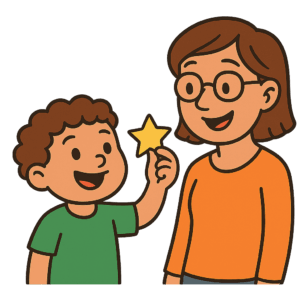
At its core, a behavior chart is a visual system that tracks specific actions or habits. Children earn marks, stickers, or points each time they complete a task or demonstrate positive behavior. Over time, the chart shows progress and reinforces habits that parents or teachers want to encourage.
Behavior charts are different from routine charts, which outline a daily sequence of activities like “get dressed” or “pack bag.” They also differ from reward charts, which often tie actions to specific prizes. A behavior chart focuses more on tracking and encouraging habits than on providing rewards.
The purpose is simple: make expectations clear, give immediate feedback, and motivate kids to take responsibility for their own actions.
Why Behavior Charts Work for Kids
Behavior charts work because children respond well to visual reinforcement. Instead of vague reminders, they can see their success build up right in front of them. This makes effort visible, which is especially important for younger children who thrive on concrete feedback.
They also help set clear expectations. Kids know what’s required, and parents can stay consistent. Over time, charts build habits that don’t rely on constant reminders. And while some parents worry that charts feel like bribery, when used well, they teach responsibility, not dependency.
Common Types of Behavior Charts
Behavior charts come in many forms, each designed to motivate children in different ways. Some are simple and visual, while others work better for older kids who can track points or tokens. Below are four of the most common types of behavior charts, along with examples of how families and teachers use them.
Simple Sticker Charts
Children earn a sticker each time they meet an expectation. For example, brushing teeth without reminders or using polite words. Once the chart is full, the child can celebrate with praise or a small activity.
Star Charts
Star charts are similar to sticker charts but use stars as symbols. They often track a single behavior, such as staying in bed all night or completing homework.
Points and Token Charts
For older children, points or tokens can be collected toward a larger goal. For example, ten points might equal a family movie night or extra outdoor time.
Feelings and Emotion Charts
These charts combine behavior tracking with emotional awareness. Kids place a marker on the face that matches their mood, helping them connect emotions to actions.
Examples of How Families Use Behavior Charts
Parents often use charts to simplify everyday struggles. A morning chart might include tasks like getting dressed, brushing teeth, and packing a bag. A homework chart can track assignments and reading time.
Behavior charts also support social skills, like sharing toys, using kind words, or helping siblings. At home, some families use them for chores such as setting the table or feeding pets. Others use them to balance screen time, with children earning tokens for time spent outdoors or helping around the house.
Mistakes to Avoid with Behavior Charts
While behavior charts are powerful tools, they can lose their impact if used the wrong way. Many parents and teachers fall into common traps that make charts less effective or even frustrating for kids. Knowing these mistakes ahead of time will help you avoid them and keep your chart system working smoothly.
- Making them too complicated – A chart with too many steps quickly becomes overwhelming.
- Inconsistency – If parents forget to track behavior, the chart loses its power.
- Using charts as punishment – Behavior charts should motivate and encourage, not shame or discourage.
Tips for Success with Behavior Charts
Using a behavior chart effectively takes more than printing one and sticking it on the wall. To get real results, parents and teachers need to keep the process simple, consistent, and positive. Below are some practical tips that make behavior charts work in everyday life.
- Keep goals simple and clear – Focus on one or two key behaviors at a time.
- Celebrate effort, not just outcomes – Praise progress, even when it’s small.
- Adapt charts as children grow – Younger kids may prefer stickers, while older ones may respond to points.
- Pair with positive reinforcement – Verbal praise, hugs, and encouragement make charts more effective.
Key Takeaways
Behavior charts for kids are simple tools that create big changes. They give children clear expectations, immediate feedback, and the chance to take ownership of their actions. Used consistently, they build responsibility, confidence, and healthier habits.
Every family or classroom is different, so the best chart is one that fits your child’s needs. Start small, stay consistent, and celebrate progress along the way. With the right approach, behavior charts turn daily struggles into learning opportunities that help children thrive.
Write a Comment